Health and Safety Policy — Hackney Skip Hire
Hackney Skip Hire is committed to the protection of everyone affected by our operations. This Health and Safety policy sets out how our skip hire and rubbish removal services operate to reduce risk, prevent harm and ensure compliance with statutory obligations. The purpose of this statement is to provide a clear, practical framework for safe work at all sites and during transport, collection and disposal activities. We recognise that good health and safety management underpins reliable waste collection and skip hire services and is essential for the wellbeing of staff, customers and the public.
Policy statement and objectives
Our objective is to deliver safe, efficient skip hire services and rubbish collection while minimising environmental impact. We will carry out proportionate risk assessments, implement appropriate controls, and maintain systems for monitoring and review. Everyone employed by or contracting with Hackney Skip Hire must be familiar with this policy, support its implementation, and co-operate in safety initiatives. We will provide suitable training, personal protective equipment (PPE) and supervision to ensure tasks are carried out safely at all times.
Responsibilities
Management is responsible for ensuring resources are available, risk assessments are conducted and legal duties are met. Supervisors must enforce safe working practices and ensure workers are competent. Employees and operatives must follow instructions, use provided PPE and report hazards. Contractors and temporary staff must comply with our standards before starting work. Key responsibilities include:
- Carrying out and acting on risk assessments for skip placement, loading and transportation;
- Ensuring vehicles and equipment used in rubbish collection are inspected and maintained;
- Implementing traffic, manual handling and lifting controls on site.
Risk assessment and control measures
We will identify hazards associated with skip hire, including manual handling injuries, falling loads, vehicle movements, hazardous materials and asbestos risk. Control measures will follow the hierarchy of prevention: eliminate where possible, substitute or isolate hazards, implement engineering controls, and use administrative controls and PPE. Typical controls include safe skip siting, wheel chocks, exclusion zones, appropriate signage and clear communication between drivers and site personnel. Providers of specialist waste services will be engaged for materials requiring specific handling.
Safe operations and transport
When delivering and collecting skips, our drivers and operative teams will apply safe systems of work. This covers vehicle checks, secure loading, correct use of lifting equipment and adherence to road safety rules during rubbish collection and transfers to waste facilities. Drivers must confirm load security, avoid overfilling and segregate prohibited items. Where necessary, traffic management plans will be used to protect pedestrians and other road users. All staff are required to use seatbelts, follow vehicle procedures and report defects immediately.
PPE, training and competence
Appropriate PPE will be provided and maintained, including hi-vis clothing, gloves, safety boots and eye protection. Training is a core control measure: new starters receive induction training, operators receive instruction on manual handling and vehicle operation, and regular refresher courses are provided. Competence checks and toolbox talks help ensure that those involved in rubbish removal and waste collection understand risks and controls. A culture of continuous improvement is promoted through feedback and corrective actions.
Traffic, site management and public safety
Site set-up for skip hire services must consider public safety and accessibility. We will plan locations to avoid obstructing footways, maintain safe access for emergency services and inform customers of safe placement requirements. Loading and unloading activities will be supervised and boundary controls used where appropriate. Clear instructions and signage must be displayed to warn the public of temporary hazards during rubbish collection and skip removal.
Hazardous materials and environmental controls
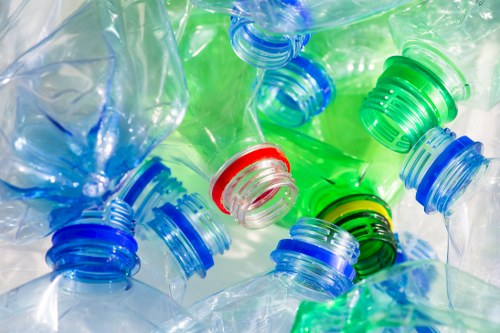
Special wastes such as asbestos, chemicals, batteries and sharps are excluded from general skips unless specific arrangements are in place. Hazardous materials will be handled only by trained personnel and transported in accordance with relevant regulations. Waste will be segregated to support recycling and reduce landfill. Spill kits, containment measures and pollution prevention plans are maintained to protect waterways and the local environment. Records are kept for the transfer and disposal of controlled wastes where required.
Monitoring, incident reporting and review
Monitoring includes regular audits, vehicle and equipment inspections, incident investigations and review of accident statistics. All incidents, near misses and unsafe conditions must be reported immediately and investigated to prevent recurrence. First aid provisions and emergency procedures are kept current and accessible. This policy will be reviewed annually or after significant incidents or changes to operations. By implementing these measures, Hackney Skip Hire aims to deliver safe, compliant and responsible rubbish collection and skip hire operations.